

Smoke Detectors
After prevention, smoke detectors are your first line of defense against fire and can cut the risk of dying in a home fire nearly in half.
- Know where your smoke detectors are located in your house
- Test every detector monthly. If your smoke detector does not seem to be working, replace it or find the cause of the malfunction (battery, dirty) Never disable a smoke detector for any reason.
- Clean your smoke detector – gently vacuum out your detector regularly to help eliminate false alarms.
Use your smoke detector in conjunction with your home exit drill. - Replace your smoke detector batteries when you turn your clocks back in October each year.
- Replace your smoke detectors once every ten years.
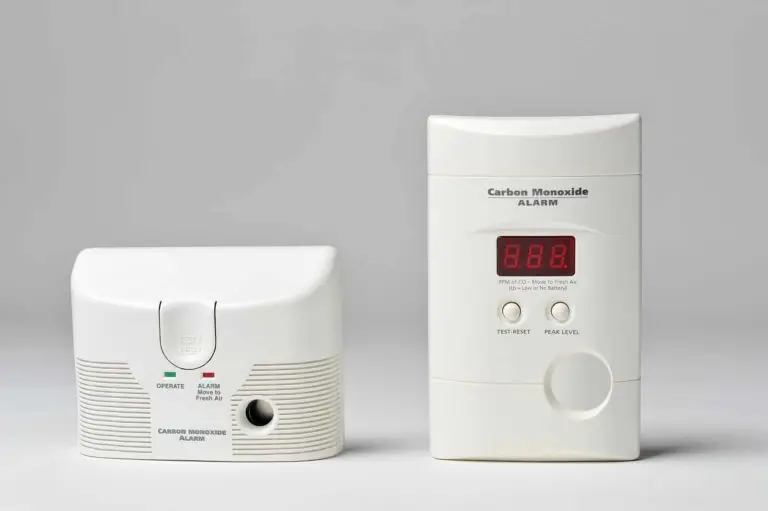
Carbon. Monoxide Detectors
Carbon Monoxide in the home is usually caused by a fuel burning appliance (not electric) or woodstove/fireplace. If you have a fuel burning appliance or fireplace you should have at least one carbon monoxide (CO) detector mounted in a hallway or sleeping area. There are several units on the market. Call us if you have any questions.
If your alarm goes off and you’re experiencing any symptoms of carbon monoxide poisoning (dizziness, nausea, vomiting, fatigue), leave your house immediately (and take your pets with you!) and call your fuel company and 9-1-1 for the Fire Department. If the alarm goes off and you don’t feel sick, shut off possible sources of CO, and call 9-1-1.